Hidden Pairs Mahjong

Sokomatch

Voice Of The Soul

Pastry Pop Blast Bubble Shooter

Italian Brainrot Tung Tung Sahur Anomaly
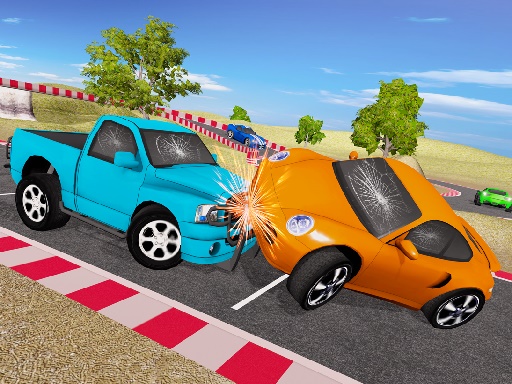
Mini Supercars Racing Crashing


Crazy Goods Sort 3d

Thung Thung Sahur Night Escape

Hunter Tung Tung Sahur

Ramp Bus Stunt Simulator
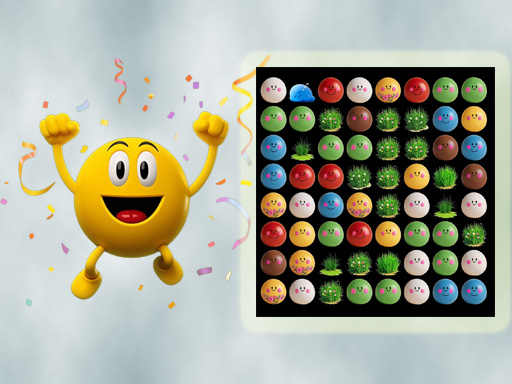
Gluttonous Bean

Arcade Pong Deluxe
It looks simple on the surface, but it becomes engaging when the board includes similar shapes, rotations, or color distractions. The game rewards players who build a reliable scanning routine instead of tapping randomly. What you do in a round You’re shown a set of shapes and you must match pairs based on identical outlines or shared properties, depending on the level rules. Some versions hide shapes, rotate them, or add extra “decoy” shapes that look close but not exact. As difficulty increases, speed and accuracy both matter. The seliminate: decide what “same” means Matching games get tricky when “same” isn’t obvious. Is color part of the match, or only the outline? Does rotation count as the same shape? If you guess the rule incorrectly, you’ll feel like you’re failing randomly. The fastest improvement comes from learning the rule set for that level and applying it consistently. A scanning routine that prevents misses Pick a structure: scan top row left to right, then bottom row. Or scan by shape type: circles first, then triangles, then polygons. A consistent routine prevents you from re-checking the same shapes repeatedly, which is the biggest hidden time sink in these puzzles. Rotation and near-matches Many levels add rotated shapes as decoys. The safest method is to match by corners and edge types: count corners, then check whether edges are straight or curved. This reduces the “looks similar” trap. If color is included, confirm color last after you confirm the outline. Two phases: reveal, then pair If your version hides shapes or requires flipping, treat early moves as information gathering. Once you’ve revealed enough to know multiple matches, switch to converting knowledge into pairs quickly. Staying in “random reveal mode” too long wastes moves and makes the end feel chaotic. The “anchor shape” method (unique) Choose one easy-to-recognize shape as an anchor (a star, heart, or a unique polygon). Find and pair anchors first. Then move to the next most distinctive shape. Leaving the easiest pairs for last is a common mistake, because it forces you to search through a cluttered board under pressure. Anchors reduce search time and stabilize your run. Controls Controls can vary by host/version. Use the in-game help/settings if yours differs. Most versions use click/tap to select shapes and confirm pairs. Some builds use drag-to-connect pairs or include a flip mechanic where you tap to reveal and tap again to match. Mistakes that slow you down Random tapping is the biggest. Another is treating every shape as equally important—distinctive shapes should be paired early to reduce clutter. Also, don’t ignore rotation rules; if you keep failing on “almost matches,” switch to counting corners instead of trusting your first impression. A satisfying finish The best ending is when the board clears quickly in the final phase because your early scanning built a mental map. Pair Up Shapes is highly replayable because short improvements in routine and recognition show up immediately as faster clears.
Controls Tap on the matching shape using touch Mobile or left button of the mouse to drag element PC

So many more games you can play!
More games
 Home
Home
 Trending Games
 Categories
 Arcade
  Action
  Adventure
  Shooting
  Racing
  Girl
Girl  Puzzle